Every city has them: corners where nobody lingers, squares that feel like shortcuts, walls that exist only to hold up a roof. Then one day a mural appears, a bench is painted, a sculpture arrives, and the place changes.
Public art is more than decoration. It tells people that a space belongs to them and invites them to stay a little longer.
Art Gives a Place a Face
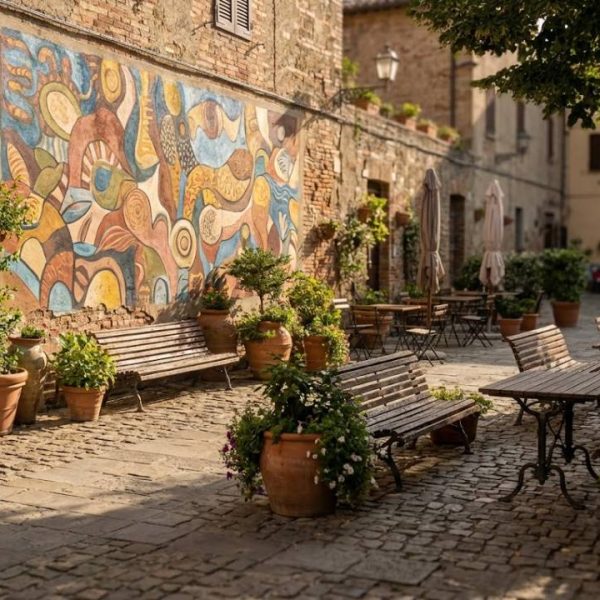
A plain wall says nothing. A mural says who lives here, what they remember and what they hope for. Visitors read a neighbourhood through its images.
The best public art does not just sit in a space; it starts conversations in it.
People photograph it, meet beside it and give directions by it. Soon the artwork becomes part of the address.
Start With the Community
Projects that succeed usually begin by listening. Artists and organisers hold open evenings, walk the site with residents and ask what stories deserve to be told.
When people help choose themes and colours, they protect the result. Vandalism drops and pride grows.
Small Budgets, Big Effects
Not every project needs a famous name. Painted steps, planters, lighting installations and temporary exhibitions can transform a space for modest cost.
Funding often comes from a mix of local councils, businesses and cultural grants. National bodies such as the National Endowment for the Arts publish guidance and examples of community projects that inspire local organisers.
Design for Everyone
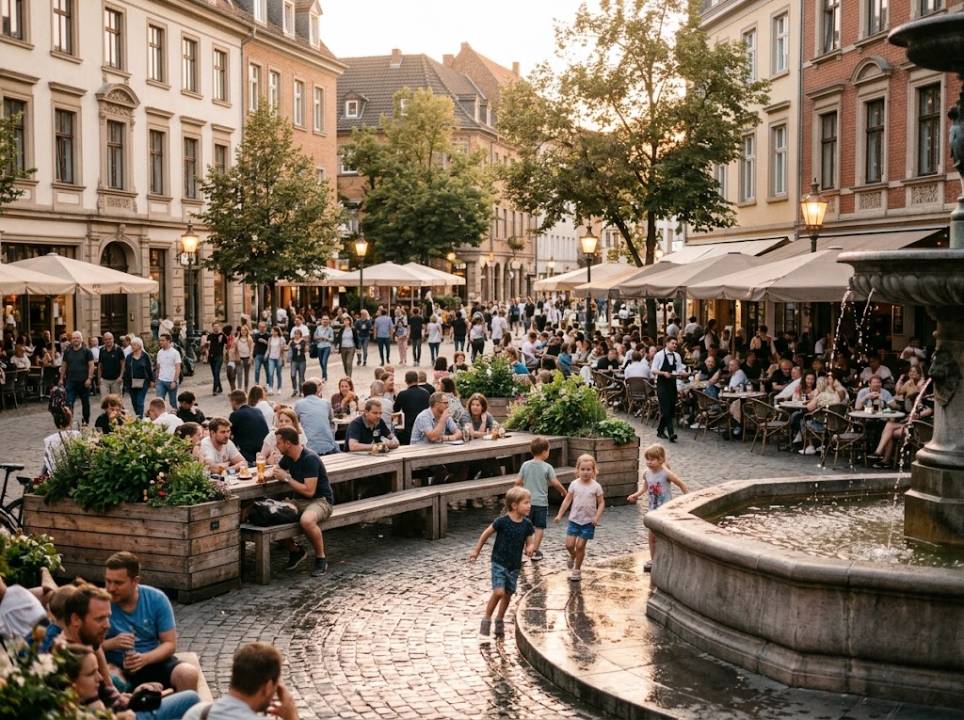
A welcoming space considers all visitors: seating for tired legs, shade for hot days, ramps and clear paths for wheelchairs and prams.
Artwork can support this. A tactile sculpture invites touch, and a sound installation reaches visitors who cannot see the colours.
Many Voices, Many Languages
Neighbourhoods today are rarely monolingual. Plaques, programmes and invitations that speak only one language leave part of the community outside.
Many projects in Italy, and in cities that welcome Italian communities, offer notices in both languages. Organisers who work with italian to english translation services can share artist statements, grant applications and exhibition texts with wider audiences, without losing the poetry of the original.
Words About Art Need Care
Art writing is slippery. Metaphors, wordplay and cultural references are easy to flatten when moved to another language.
Translators who understand art history and the artist's voice can recreate the effect rather than copying the words. Reading about the types of transcreation shows how different texts call for different levels of freedom.
Events That Bring People In
A finished artwork is only the start. Opening parties, guided walks, workshops for children and night markets keep the space alive.
Invite local musicians, food sellers and storytellers. The more voices take part, the more the square feels like everyone's.
Care and Maintenance
Public art needs care. Weather fades paint, plants need water and benches need repair. Plan for upkeep from the start, with a named group responsible and a small fund set aside.
A simple schedule, such as a spring clean and an autumn check, keeps the place looking loved.
Measure What Changes
Count visitors before and after, ask neighbours how safe they feel and note how long people stay. Short surveys and photo records show the effect of the work.
These findings help win support for the next project and help other communities learn from yours.
Involve Young People
Schools and youth groups bring energy and ideas. Student designs, painting days and mentoring by local artists give young people a stake in their neighbourhood.
Teenagers who help create a mural are often the first to defend it, and they carry the story with them for years.
Document the Story
Record how the project started, who took part and what it meant. A small booklet, a web page or a plaque with a short story gives visitors context and gives future organisers a record to learn from.
Offer these materials in the main languages spoken nearby, so every resident can read how their space came to life.
Partnerships That Last
Local libraries, cafes, schools and shops make strong partners. They offer wall space, volunteers, storage and a steady stream of visitors, and in return they gain a livelier street and new customers.
Formal agreements, even simple ones, clarify who looks after what. Write them in plain language and share them in every language your neighbours use, so nobody is surprised later.
Safety and Permission
Before any painting begins, secure permission from the owner of the wall or the space and check local rules on signage, scaffolding and street closures. A short checklist avoids last minute delays and keeps volunteers safe.
Keep the Conversation Going
After the opening, invite visitors to leave comments, drawings or ideas for the next step. A simple board or a short online form keeps the project open and shows that residents are heard.
Final Thoughts
Public art works because it makes space feel personal. With community voices, careful planning and words that reach every neighbour, even the quietest corner can become a place where people want to meet.