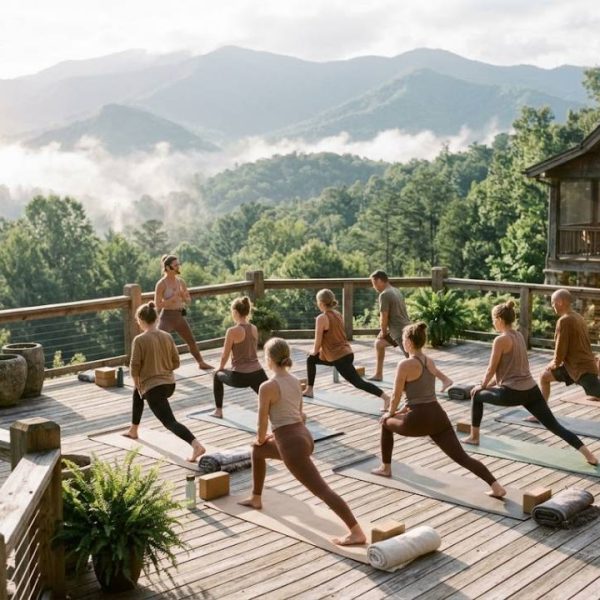
A good retreat sends people home feeling lighter, stronger and clearer. A poor one sends them home tired and a little disappointed. The difference rarely comes down to a beautiful location alone. It comes from thoughtful planning, honest expectations and attention to the people who attend.
Start with a clear purpose
Before choosing a venue or a schedule, decide what the retreat is for. Some guests want to rebuild strength after a busy year. Others need rest, time outdoors or a reset of daily habits. A retreat that tries to do everything usually does nothing well.
Write a single sentence that states the promise, then test every activity against it. If a session does not support the promise, cut it or move it to the optional list.
A focused retreat beats a crowded one, because guests remember how they felt, not how many sessions they attended.
Balance movement and recovery
Fitness programming works best when effort and rest are planned together. A typical day might open with gentle mobility or a walk, move into a main training block, and leave long gaps for meals, naps and quiet time.
Offer options at different levels. A guest who exercises daily and a guest who has not trained in years should both find something rewarding. Clear intensity labels, such as easy, moderate and challenging, let people choose without feeling judged.
The World Health Organization notes that regular physical activity lowers the risk of many long term conditions and supports mental health, and its physical activity guidance is a sound reference when you set weekly targets for guests.
Feed the program well
Food shapes the whole experience. Fresh, seasonal meals with simple choices keep energy steady and mood bright. Avoid extreme rules. A retreat is not the place to introduce harsh diets, and guests should be asked about preferences in advance.
Offer plenty of water, herbal teas and light snacks between sessions. Small touches, like a fruit bowl in the common room, make guests feel looked after.
Make space for the mind
Wellbeing is more than exercise. Meditation, breathing practice, journaling and unstructured quiet time help guests process stress. Keep these sessions short and welcoming for beginners, and never make them feel compulsory.
Nature does much of the work. A walk through woods or along water calms the nervous system more reliably than any slogan on a poster. Build in time outdoors every day.
Think about sleep and comfort
Poor sleep ruins good programming. Provide dark rooms, comfortable beds and a quiet evening routine. Encourage guests to put away screens an hour before bed, and avoid scheduling anything strenuous late in the day.
Check the practical details too. Heating or cooling, hot water, clean bathrooms and easy access to common areas matter more than luxury décor.
Choose the team with care
Your instructors and hosts set the tone. Look for qualified trainers who can adapt a session on the spot, who listen carefully and who know when to say no. A trained first aider should always be on site, and guests should know where to find help.
Brief the whole team before guests arrive. Share the schedule, the guest list with relevant notes, and the plan for emergencies.
Welcome guests from different languages
Retreats attract international visitors, and a program that works in one language can feel confusing in another. Health questionnaires, consent forms and safety instructions must be understood before anyone starts a workout. Misunderstanding a warning about a knee injury or a food allergy can have real consequences.
For live sessions and welcome talks, professional interpreting services let every guest take part fully, ask questions and feel included. A translated handout is helpful, but a real conversation builds trust far faster.
Support after the retreat matters too. Guests who write with questions in their own language expect a reply they can read. This article on multi-language customer support explains how small teams can manage this without large budgets.
Set honest expectations in your marketing
Photos of sunsets and smoothie bowls attract attention, but guests need to know what a day will actually involve. Describe the schedule, the fitness level required, the accommodation and the cost clearly.
Honest marketing reduces cancellations, attracts the right people and creates better reviews. It also protects you when a guest assumes something the retreat never promised.
Plan for the unexpected
Weather changes, guests get ill and instructors cancel. Prepare an indoor option for every outdoor session, keep a list of local clinics, and agree on how you will adjust the schedule without fuss.
Collect health information discreetly and store it safely. Guests share sensitive details only when they trust that you will protect them.
Keep the benefits going after check out
The real value of a retreat appears weeks later. Send guests a short plan with three habits to keep, a few simple routines and a link to an online group or follow up session. Ask for feedback while memories are fresh, and use it to improve the next edition.
A well planned retreat leaves guests with new energy and a clear sense of what to do next. That is a promise worth keeping.
Clear purpose, balanced days and respect for every guest turn a pleasant week away into a lasting change.